Choosing Portable Toilets on Rent for Job Sites
Renting portable toilets for a job site sounds straightforward until you’re standing in the rain on a Monday morning, the crew is waiting, and someone asks why the unit you ordered smells like “a problem” instead of “serviceable.” The right porta potty rental is the one that keeps people working, protects your schedule, and doesn’t turn sanitation into an unexpected site risk.
In this guide, I’ll walk through how I typically evaluate portable toilets on rent for real projects, what I look for when talking to portable toilet rental companies, and how to avoid the common pitfalls that show up after delivery.
Start with the job reality, not the brochure
Portable Toilet Rental decisions work best when they start with how the site actually runs. Paper estimates and ideal conditions rarely survive contact with wind, mud, and shifting crews.
I usually begin by grounding the plan in three questions: how many people need access, how long they’ll be on site, and how heavy the usage will be. A two-person interior remodel might only need a single unit, but a demo-heavy site with staggered shifts can turn into a “bathroom traffic” problem quickly. Even within the same crew size, bathroom demand portable toilets to rent changes based on water usage patterns, temperature, and the length of breaks.
Then I look at the site layout. Is there a stable placement area that stays accessible for deliveries and pump-outs? Can you keep a safe route for staff to walk to the unit without cutting through active work zones? When units get placed where people have to weave through equipment, you often see two outcomes: people skip using them, or you end up with sanitation issues around the travel path.
Finally, I think about what “failure” looks like. A unit that runs out of capacity mid-week creates emergency portable toilet rental calls, usually at the worst possible time. A unit that’s not ventilated well or has poor placement can create complaints fast, even if the capacity is fine.
How many units do you really need?
Most job site managers want a simple number, but in practice the “right count” depends on usage intensity. Portable toilets can handle a lot, but the limiting factor is often not just the tank capacity. It’s also cleanliness, downtime between pump-outs, and how often the unit is actually available and used.
If you’re working with contractors, subcontractors, or multiple trades, you also need to think about who the toilet serves. A single unit might work for a small crew in a controlled area. But once you have independent crews rotating in and out, you need a buffer so one group doesn’t overload the unit while another waits.
When you talk to Porta Potty Rental Boston providers or companies serving your region, I recommend being explicit about usage patterns. Tell them whether the site is mostly daytime, whether there are any evening shifts, and whether the crew size changes across the week. The more accurate your context, the more realistic their recommendation will be.
A practical approach is to plan for normal use and then add a contingency. That contingency can be a second unit, or it can be a pump-out schedule that’s more frequent than minimum. From experience, the “second unit” option tends to reduce complaints because people can avoid lining up, which is often the first sign that your capacity planning is off.
What kind of portable toilet fits the job?
“Portable toilet” can mean very different things, and rental companies usually offer a range. The best choice depends on site conditions, workforce needs, and what your team considers acceptable for odor control and cleanliness.
Some sites need a basic unit. Others benefit from enhanced features like improved ventilation, hand-washing options, or units designed for higher traffic. If your project includes accessibility requirements, you may need ADA-compliant options, not just “another regular unit.”
Here’s what I consider when matching the unit type to the site.
Basic units for straightforward sites
Basic units can work well on interior renovations, light commercial work, or short-duration projects where the crew is small and the unit placement is easy. They’re typically lower cost, which is where cheap portable toilet rental choices can make sense.
The trade-off is that you may need to stay on top of service. If you place a basic unit in a spot that doesn’t drain well, or you don’t coordinate pump-outs early enough, the unit can go downhill faster than a more robust alternative.
Enhanced units for high-traffic or tough conditions
When the site has heavy usage, longer durations, or the environment is hard to manage, enhanced units are often worth the higher price. I’ve seen projects where the difference wasn’t just comfort, it was behavior. When units look maintained and are easier to use, workers treat the site better. That matters because most sanitation problems on jobs are not only about capacity, they’re about how the unit is used and whether it stays portable toilet Boston presentable.
If your rental agreement includes service frequency, enhanced units can buy you margin. That margin helps when weather delays deliveries or when the crew grows unexpectedly.
Handwashing and hygiene upgrades
Hand hygiene is where portable toilet rental decisions start to impact safety and morale. Even if a unit has a standard setup, adding handwashing stations can reduce cross-contamination concerns, especially on jobs involving food prep areas, healthcare-adjacent work, or heavy dust.
You don’t always need a full wash station for every project. But if the site has high-touch surfaces, frequent glove changes, or a workforce that’s eating on site, hygiene upgrades can be a strong value.
Placement and access: the part people underestimate
A portable toilet can be perfectly sized and still be a problem if placement is wrong. I’ve watched crews walk right past a unit because the route is awkward, muddy, or cuts through equipment. Then the “bathroom problem” moves into stairwells, corners, and storage areas, which turns the situation from nuisance into a site management failure.
For placement, I focus on four things:
First, I look for firm ground. Portable toilets can be heavy enough that soft or muddy placement causes issues with leveling and with access for the rental company’s service truck.
Second, I consider visibility and path safety. Workers should be able to find the unit quickly and walk to it without threading through active work. If the unit blocks access to a gate or creates congestion, you’ll get side effects.
Third, I think about wind and odor dispersion. On coastal or open areas, wind shifts can carry smells back toward offices, break areas, or entrances. Vent placement relative to prevailing wind direction can make a noticeable difference.
Fourth, I check the surrounding area for drainage. If water pools around the base, it becomes a cleanliness problem, and it also makes it harder for workers to approach the unit.
When you coordinate delivery, ask the rental company about the ideal placement setup, especially if your site has uneven terrain. Many issues come from the unit being installed “where we could fit it” rather than “where it should go.”
Service schedules, pump-outs, and the cost behind “cheap”
Cheap portable toilet rental often wins bids, and sometimes it’s a smart choice. But I treat “cheap” as a starting point, not the final decision. The real question is what you’re paying for in total service terms.
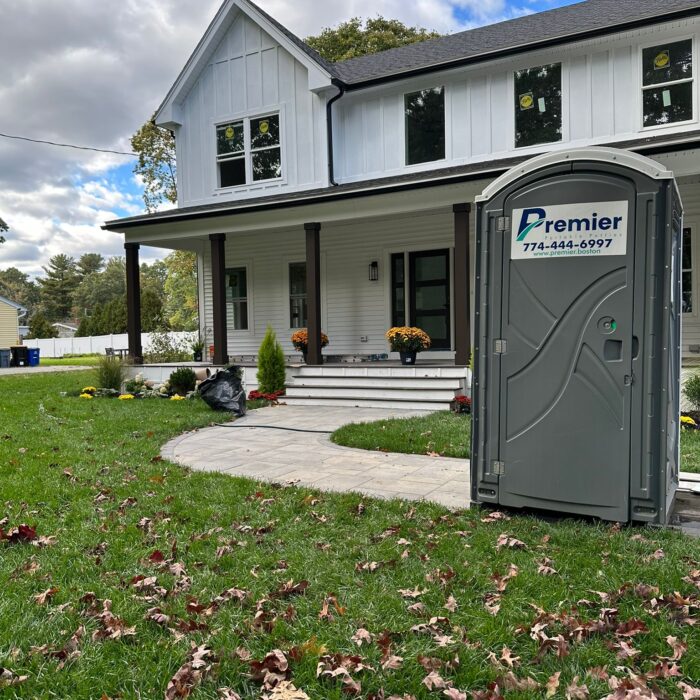
Tank capacity and service frequency are connected. If your agreement is built on minimum service and your crew usage is higher than expected, you can end up with pump-outs that arrive too late. That’s where emergency portable toilet rental becomes necessary. Emergency calls are not just inconvenient, they can be more expensive and harder to schedule around subcontractor work and inspection windows.
To avoid surprises, I ask rental companies about service timing windows and what triggers additional service. Some providers handle pump-outs on a schedule, others respond to level sensors or requests. Either can work, but you want clarity on when service happens and how quickly.
I also think about weather. In hot conditions, waste breakdown and odor generation can accelerate. In freezing conditions, units may require additional attention to prevent performance issues. If you’re renting in winter or shoulder seasons, don’t assume the same service plan works year-round.
A good porta potty rental arrangement should include a clear plan for servicing, not just a delivery day. When you get that in writing, you’re protecting your budget and your schedule.
Weather, seasonality, and site conditions
Job sites don’t stay the same. A site that’s manageable in mild weather can turn into a sanitation headache during heat or storms.
In Boston-area and coastal regions, moisture and salt air can affect everything from equipment storage to ground conditions for placement. Units still function, but mud and pooling water create access challenges for service trucks. If your site is in a low area or a spot where water accumulates, talk to the provider about placement prep, matting, or other steps that keep the unit serviceable.
In summer, odor control becomes more critical. More heat can mean more noticeable smell and more frequent service needs if usage is high. People also tend to drink more water and use facilities more often. That affects capacity and cleanliness.
In cold weather, the conversation changes. Units can still be used, but you may need winter-friendly service practices. Even without making any assumptions, ask the provider how they handle cold-season operation and whether they use additives or other methods to keep the system functioning.
Who delivers and who maintains it?
The phrase portable toilet rental companies sounds generic, but there’s a real difference between providers who treat this like a logistics product versus providers who treat it like sanitation service.
I’ve found that better providers do three things consistently.
They show up on time and communicate clearly. They don’t require you to guess whether the pump-out is scheduled, or whether they’ll attempt service during a window that conflicts with your crew.
They maintain units in a way that shows up to the user. Workers respond to what they see. If a unit looks clean and well maintained, compliance improves and mess stays contained.
And they handle issues fast without turning them into a blame game. If a unit is missing a part, damaged, or placed incorrectly, you want a provider that treats the fix as a service call, not a negotiation.
When you’re comparing options, I recommend asking practical questions. What’s included in the rental price? How often do they service? What happens if your site usage spikes? Do they provide any guidance on placement and secure access? The best companies won’t mind these questions. The weaker ones often avoid specifics.
Compliance, accessibility, and stakeholder expectations
Depending on your project type and location, you may need to consider accessibility requirements and code expectations. Even when requirements aren’t rigidly applied, stakeholders notice when access is inconvenient.
If someone on site needs an accessible option, it’s usually not something you can delay. Schedules move, crews change, and accommodations can’t be retrofitted at the last minute without cost and disruption.
For job sites with clients on site, offices nearby, or public-facing areas, cleanliness and user experience matter. Complaints can come from people who never use the unit, they just notice odor or visible mess. A professional rental plan should treat the portable toilet as part of the site’s presentation and risk management.
A real-world way to plan your order
Every project has its own constraints, so I don’t apply one rigid formula. But I do follow a repeatable workflow to keep decisions clean.
First, I map the expected crew pattern. If the workforce changes across phases, I don’t just plan for the initial day, I plan for the busiest week.
Second, I align the number of units with that pattern. Then I compare that against service frequency and site capacity for pump-outs.
Third, I decide placement locations where service trucks can access the unit. It sounds minor until you picture the service vehicle stuck at the wrong end of the site because the route wasn’t planned.
Fourth, I schedule servicing proactively. If the provider offers scheduled pump-outs, I set the plan before the first delivery. If they offer responsive service, I make sure you still have a clear trigger point and a phone number that gets answered.
Fifth, I communicate the plan internally. The superintendent and foreman should know where the toilets are, how many units exist, and what the servicing cadence will be. This prevents “silent overload,” where no one realizes the unit needs service until it fails.
When I’ve done this well, the crew barely thinks about the portable toilets beyond routine use. That’s the outcome you want.
Questions to ask before you sign (so you avoid emergency calls)
The best way to prevent emergency portable toilet rental is to prevent the conditions that lead to it: insufficient capacity, unclear service timing, and placement problems. If you talk to the provider with the right questions, you reduce uncertainty.
Here are the questions I rely on most:
- How many units do you recommend for my crew size and project duration, and what assumptions are you using?
- What is included in the rental price, delivery, setup, and servicing, and how often is servicing performed?
- What triggers an extra pump-out, and how quickly can you respond if usage spikes?
- Do you have winter or summer-specific service practices for my season and site conditions?
- What are the placement requirements for access, grounding, and service truck access?
If the conversation feels vague on any of these, you may want to keep shopping or ask for clarification in writing. Real-world sanitation planning needs specifics.
Cost drivers: what you’re actually paying for
Portable toilet pricing can feel confusing because multiple factors roll into the final quote. When clients ask for “the best deal,” I tell them to look past the per-day number and focus on total deliverables.
Key cost drivers often include unit type, number of units, duration, and servicing frequency. Delivery and removal can also shift costs, especially on complicated sites where access is difficult. Additional services like handwashing stations can change the quote, but they can also reduce problems that would otherwise cost time and labor.
One more factor is the risk of last-minute changes. If you order too few units or order them too late, you may pay for rush service or temporary replacements. That’s where cheap portable toilet rental can turn into expensive by the time you’re done.
If you’re comparing Porta Potty Rental Boston options, request itemized pricing or at least a clear service summary. You’re not trying to micromanage, you’re trying to understand what you get for your money.
Common mistakes that create sanitation headaches
Even careful teams fall into predictable traps. The mistakes tend to cluster around scheduling, placement, and communication.
One mistake is placing the unit too late in the timeline. If the first workers arrive without facilities ready, they start improvising. Once behavior forms, it’s hard to reverse.
Another mistake is underestimating usage when a project changes phases. A crew might start with a few people and then expand after rough-in work. If you don’t update your toilet plan, one unit can become overwhelmed during the busiest week.
A third mistake is forgetting the service part. Delivery day is visible. Pump-out service is invisible until it fails. If the service schedule is unclear or too infrequent, you pay later in smell, mess, and worker frustration.
The best teams treat the portable toilet plan like any other critical piece of the job. It has to be installed, maintained, and adjusted when reality changes.
Making the units work better for the crew
Even with the right equipment, you can improve results through simple site practices.
Keep access clear, especially after rain. If mud forms around the unit approach, workers will avoid it. If possible, coordinate with the site’s general contractor or landscaping crew for stabilization measures.
Assign ownership informally. When someone is responsible for checking unit placement accessibility, refills of consumables if included, and general cleanliness, issues get resolved faster. This doesn’t need to be formal, it just needs to be real.
Set expectations. A quick note from the foreman like, “please use the unit, not corners near the staging area,” sounds basic, but it helps. Workers respond better to clear guidance than to silence and frustration.
If your project has multiple trades, make sure the unit plan is communicated across subcontractors. When one trade assumes another handled sanitation, no one does, and you get overload.
When you should plan for emergency portable toilet rental
Emergency portable toilet rental is sometimes unavoidable, but you can usually predict when it might be needed. It tends to show up when schedules shift, deliveries are delayed, or the crew size changes quickly.
Plan for emergency contingencies when any of these are true: a project’s start date is uncertain, you have a temporary closure or ramp-up period, you expect additional crews for a rush window, or your site has constraints that complicate service access.
If you can’t avoid those uncertainties, talk to the rental company ahead of time. Ask whether they can provide short-notice additions and what the lead times look like. A provider with a real logistics network can often prevent an emergency from becoming an emergency.
How to evaluate a rental company, not just a unit
The portable toilet itself matters, but the company behind it matters more than many people realize. A unit can be fine, but if delivery is sloppy or service is inconsistent, you’ll feel it quickly.
I look for a provider that can handle details: correct placement guidance, a realistic service schedule, clear communication, and consistent maintenance practices. I also prefer companies that have enough inventory to support changes without making you wait days for a replacement.
If you’re dealing with the Porta Potty Rental Boston market, you’ll likely see both small local operators and larger service providers. Either can be good, but you want service reliability. Ask about how they handle peak season, storms, and short-notice requests.
Also, pay attention to responsiveness. In sanitation planning, quick answers prevent costly errors. If you can’t get direct answers from a provider during the quote stage, you’re likely to struggle when something goes wrong on site.
Choosing the right rental for the long run
The best portable toilets on rent choices don’t just meet a minimum requirement. They support your workflow, reduce complaints, and keep your site professional. When you select based on crew size, duration, usage intensity, and placement practicality, you get a setup that works without drama.
The decision gets easier once you treat it like a system: units, placement, servicing schedule, and communication. That’s how you avoid the mid-week scramble and keep the crew focused on work that actually moves the project forward.
If you take one thing away, let it be this: don’t shop only for the cheapest daily rate. Shop for the total service experience. The difference is often the one thing you cannot buy back at the last minute.
Premier Portable Potties
35 Industrial Dr, East Bridgewater, MA 02333, United States
(774) 444-6997
[email protected]
website: https://www.premier.boston/